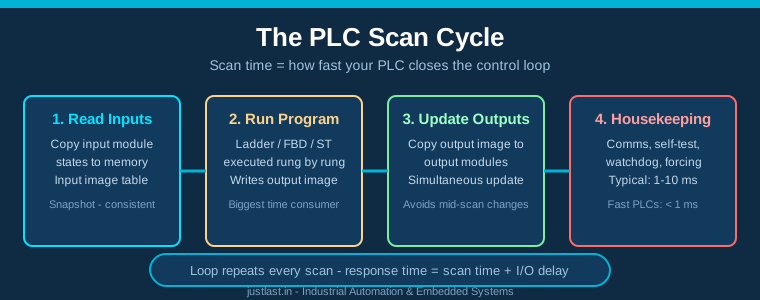
PLC and SCADA Systems 2026: Smart Manufacturing Integration
PLC and SCADA systems power modern industrial automation. This 2026 guide covers integration strategies, protocols, edge computing, and smart manufacturing architecture.

Step-by-step engineering guides, electronics tutorials, multimeter guides, soldering techniques, PCB design, and maker projects
PLC and SCADA systems power modern industrial automation. This 2026 guide covers integration strategies, protocols, edge computing, and smart manufacturing architecture.

Most Indian process plants do not have an alarm problem because the process is unstable. They have an alarm problem because the control system was never told which events deserve…
I2C Communication Complete Guide: ESP32 vs STM32 Wiring, Addressing and Debugging Key Takeaway I2C communication is the most common sensor interface in embedded systems, but wiring errors, address conflicts, and…
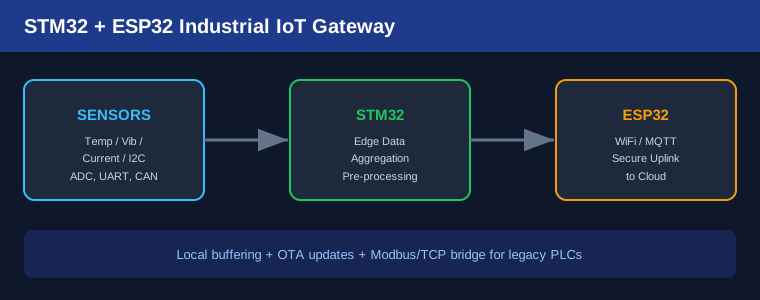
Key Takeaway: The STM32 built-in bootloader lets you flash firmware over UART using just a USB-to-serial adapter and the free STM32CubeProgrammer tool — no ST-Link debug probe required. This guide…

Learn how to design your first PCB from scratch: free software choices, schematic to layout workflow, design rules, DRC, Gerber export, and ordering tips.

Learn how to read a digital caliper in minutes: zeroing, inside/outside jaws, depth rod, mm and inch conversion, and the mistakes that cause wrong measurements.
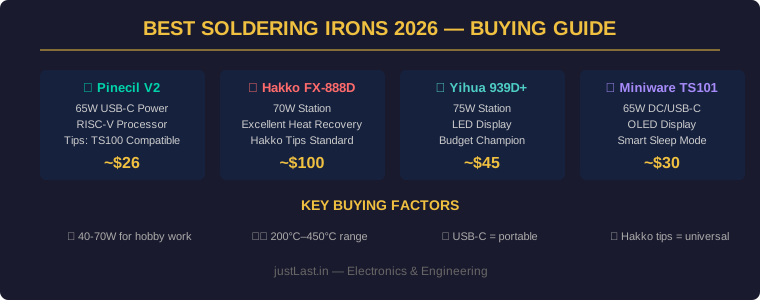
Key Takeaway: The Pinecil V2 dominates the portable soldering iron market at $26, while the Hakko FX-888D remains the gold standard for dedicated bench stations — your choice depends on…
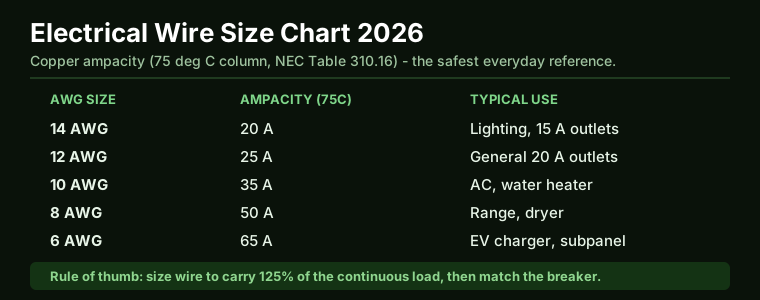
The complete wire size chart for 2026: AWG ampacity, copper vs aluminum, the 125% continuous-load rule, and how to size wire for any circuit.
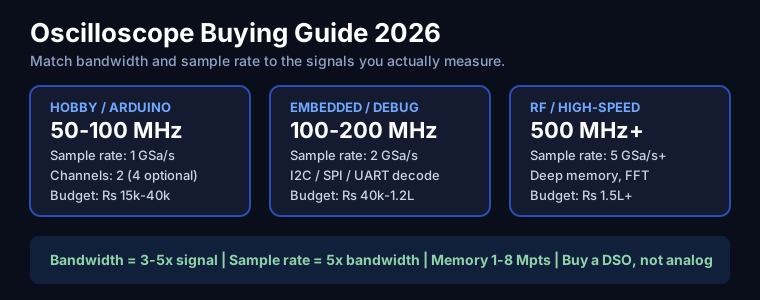
A practical 2026 oscilloscope buying guide: bandwidth, sample rate, channels, and memory explained, with best models and honest budgets for India.
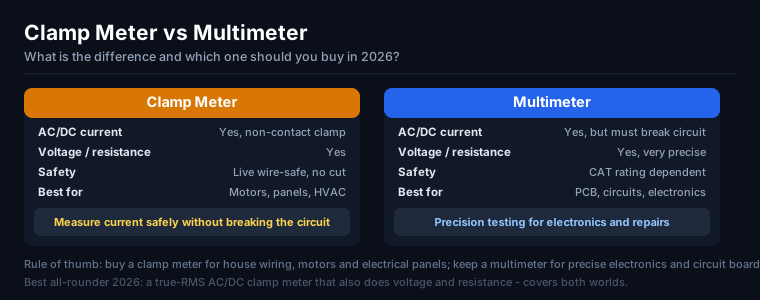
Key Takeaway: A clamp meter and a multimeter measure the same basics but excel at different jobs — buy a clamp meter to measure current safely without breaking a live…
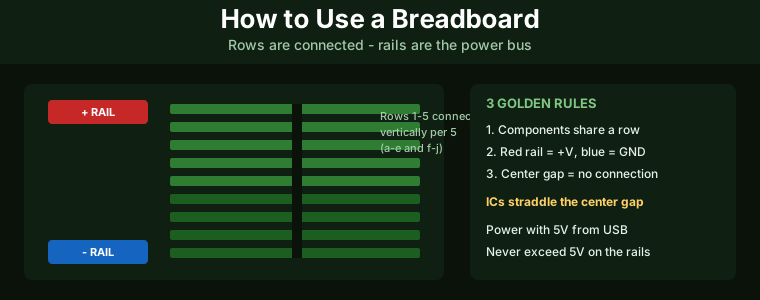
Key Takeaway: A breadboard lets you build and test electronic circuits without soldering. The rows of five holes are connected internally, and the long side rails are the power bus.…
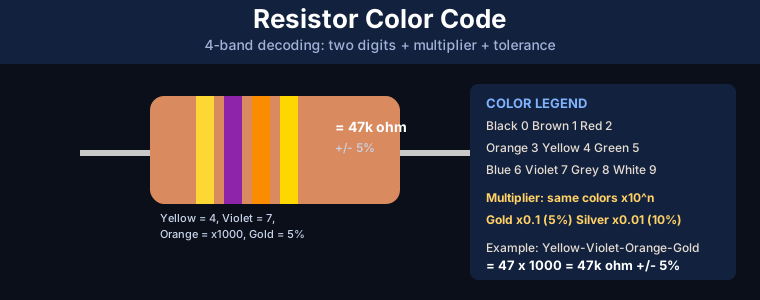
Key Takeaway: A 4-band resistor color code is read as two digits, one multiplier, and one tolerance band. For example, yellow-violet-orange-gold means 47 × 1,000 = 47,000 ohms (47kΩ) with…